Ads

Monday, 18 September 2023

Unite To Act


Unite To Act 


Watch & Subscribe ⬇️


https://youtube.com/shorts/anD4RMzvc1U?si=PpoZHRUwLPRakSRJ


When we come together and work towards a common goal, we can achieve anything. Together, we can create a better future for all.


Copyright ©️ Global Youths Alliance for Change

Support Sudan By Donating


"Every small act of kindness has the power to create a big impact! 💫✨ Join us in supporting the incredible women and children of Sudan, who are in desperate need of our help. ❤️ By donating today, you can provide education, healthcare, and hope to those who need it most. Together, let's make a difference and bring smiles to their faces. 🌟🤗 

You can send your donation to this account(3412499) or you can contact us through this email adoumaabaker@gmail.com 


#SupportSudan #EmpowerWomenandChildren #DonateForACause"


Fostering Peace and Conflict Resolution in Africa: A Path to Progress

 Introduction


Africa, a continent of unparalleled diversity and beauty, has been marred by a history of conflicts and unrest. From civil wars and ethnic disputes to political turmoil and resource-driven violence, Africa has faced numerous challenges on its path to stability and development. However, it is essential to acknowledge that Africa is not defined solely by its conflicts. Instead, it is a continent teeming with potential, rich cultures, and a strong spirit of resilience. In this blog, we will explore the importance of peace and conflict resolution in Africa and the ways in which progress can be achieved.


The Cost of Conflict


Conflict, whether at the national, regional, or local level, takes a devastating toll on African societies. It disrupts economic growth, displaces millions, undermines development efforts, and erodes social fabric. The human cost is immeasurable, as it leads to loss of life, trauma, and deep-seated divisions within communities. It is high time to break this cycle of violence and move towards a more peaceful and prosperous Africa.


Understanding the Causes


To address conflicts effectively, it is crucial to understand their root causes. Africa's conflicts often arise from a complex web of factors, including:


1. Political Instability: Weak governance, autocratic regimes, and a lack of political inclusivity can lead to power struggles and instability.


2. Ethnic and Tribal Tensions: Africa's ethnic diversity can sometimes become a source of conflict when differences are not managed peacefully.


3. Resource Scarcity: Competition over valuable resources like land, water, and minerals can trigger violent disputes, especially in regions with limited access to these resources.


4. Economic Disparities: Widespread poverty and inequality can breed frustration and resentment, fueling social unrest.


5. External Interference: External actors, such as arms dealers and neighboring countries, can exacerbate existing conflicts for their own interests.


Strategies for Peace and Conflict Resolution


1. Diplomacy and Mediation: African nations should prioritize diplomatic efforts to resolve conflicts peacefully. Regional organizations like the African Union (AU) play a crucial role in mediating disputes and promoting dialogue.


2. Good Governance: Strengthening democratic institutions, promoting transparency, and ensuring the rule of law are vital steps toward reducing political instability.


3. Conflict Prevention: Early warning systems, conflict prevention initiatives, and peacebuilding programs can help address tensions before they escalate.


4. Economic Development: Fostering economic growth and job opportunities can reduce poverty and address some of the root causes of conflict.


5. Education and Reconciliation: Education and awareness campaigns that promote tolerance, diversity, and reconciliation can help heal wounds and build trust among communities.


6. Empowering Women: Women play a crucial role in peacebuilding efforts. Their involvement in conflict resolution processes should be encouraged and supported.


Success Stories


Despite the challenges, there have been notable successes in peace and conflict resolution across Africa. For example:


1. South Africa's transition from apartheid to democracy, led by Nelson Mandela, serves as an inspiring example of reconciliation and peaceful change.


2. The Peace, Security, and Cooperation Framework for the Democratic Republic of the Congo and the Great Lakes Region demonstrates the power of regional cooperation in resolving complex conflicts.


3. Ghana's peaceful political transitions and stable democracy showcase the importance of good governance in conflict prevention.


Conclusion


Africa's journey towards peace and conflict resolution is ongoing, but progress is being made. It is vital for African nations, regional organizations, and the international community to continue supporting efforts to build a more peaceful and prosperous continent. The cost of conflict is simply too high, and the potential for growth, innovation, and cultural richness in Africa is too great to be overshadowed by violence and unrest. By addressing the root causes of conflict, promoting diplomacy, and investing in development, Africa can indeed move closer to a brighter, more peaceful future.


©️ James Dabalen, Peace Scholar. Kenyan. 

jamesdaballen@gmail.com

+254 714458927

https://www.linkedin.com/in/james-arara-dabalen-a7a649121/

Thursday, 14 September 2023

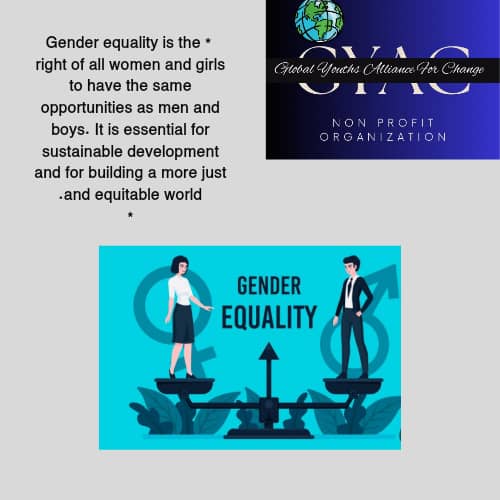
Stand Up For Gender Equality


* Title: Stand Up for Gender Equality


* Introduction:


 * Gender equality is the right of all women and girls to have the same opportunities as men and boys. It is essential for sustainable development and for building a more just and equitable world.

* 

 * Despite progress in recent decades, there is still a long way to go to achieve gender equality. Women and girls continue to face discrimination in many areas of life, including education, employment, and healthcare.

* 

 * There are many things that we can do to stand up for gender equality. We can challenge gender stereotypes, support women's rights organizations, and advocate for policies that promote gender equality.

* 

 * Governments can also take action to promote gender equality by investing in education and healthcare for girls, passing laws that protect women's rights, and ensuring that women have equal representation in decision-making bodies.

* 

* Conclusion:


 * Gender equality is not just a women's issue. It is a human rights issue that affects all of us. By standing up for gender equality, we can make a difference in the lives of women and girls around the world.


Copyright ©️ Global Youths Alliance For Change


@globalyouthsallianceforchange


Friday, 8 September 2023

Donation


* "Your donation can help make a difference in the lives of those youths in need and an impact to empower and solve sdg goals solutions. Donate today!"


You can leave a cash tip 🤗 to donate to our non-profit organization ⬇️


https://globalyouthsallianceforchange.disha.page/tippings


Donation Quotes For The Week ⬇️


"It's not how much we give but how much love we put into giving." 


Copyright ©️ Global Youths Alliance For Change


Skills Acquisition


* Global Youths Alliance For Change Skills Workshop 


* Registration Fee: #25,000 Per One Person 


Make payment by clicking on the link ⬇️


https://flutterwave.com/store/globalyouthsallianceforchange/3keernmiwmqvn0


https://s3-eu-west-1.amazonaws.com/rave-storage/flwstrperma2021globalyouthsallianceforchange.png


https://globalyouthsallianceforchange.disha.page/products/product?id=6c391f44-e25a-446c-b632-e4b62a39b5d4


 * ." Learn the art of soap making and create your own natural, handmade soaps."


 * ""Learn the basics of agriculture and grow your own food


 * "Master the essential digital skills for the 21st century workforce."


We are accepting Donations & Grants if you are all about impact


#dashpressmedia


Take Action For Climate Change


* Take Action for Climate Change


* Introduction:


 * Climate change is one of the most pressing issues of our time. It is caused by human activities, such as burning fossil fuels, and is already having a devastating impact on the planet.

* 

 * The effects of climate change include more extreme weather events, rising sea levels, and melting glaciers. These effects are disproportionately impacting the most vulnerable people in the world.

* 

 * There are many things that we can do to take action on climate change. We can reduce our emissions of greenhouse gases by driving less, using less energy, and eating less meat. We can also support renewable energy sources and sustainable businesses.

 * Governments can also take action on climate change by investing in renewable energy, setting emissions targets, and regulating pollution.

* 

* Conclusion:


 * Climate change is a serious problem, but it is not too late to act. By taking action together, we can make a difference and protect our planet for future generations.

* 

Copyright ©️ Global Youths Alliance For Change


Beyond the Eco-Anxiety: Why Climate Action Is Actually an Upgrade, Not a Sacrifice

  Beyond the Eco-Anxiety: Why Climate Action Is Actually an Upgrade, Not a Sacrifice Every time climate change makes the headlines, the tone...